2026 Home Design Trends: What’s In, What’s Out, and What Buyers Are Responding To
After a decade of cool grays, crisp whites, and spaces that looked more like showrooms than homes, buyers have changed what they’re looking for — and on Maui, that shift hits differently. Call it quiet luxury: the idea that richness comes from depth, craft, and intention rather than flash and excess. It’s not maximalism. It’s a shift toward homes that feel like somewhere you’d actually want to live, which on the North Shore, Upcountry, or in Wailea means something specific. We’re not chasing mainland trends here — we’re filtering them through trade winds, salt air, lava stone, and a lifestyle that’s been doing “biophilic” since long before the word existed.
That shift is showing up in buyer data, listing descriptions, and design reports across the board. Here’s what it looks like in practice — and what it means if you’re thinking about selling your Maui home.
What’s In
Color Is Back — And It’s Warmer Than You Think
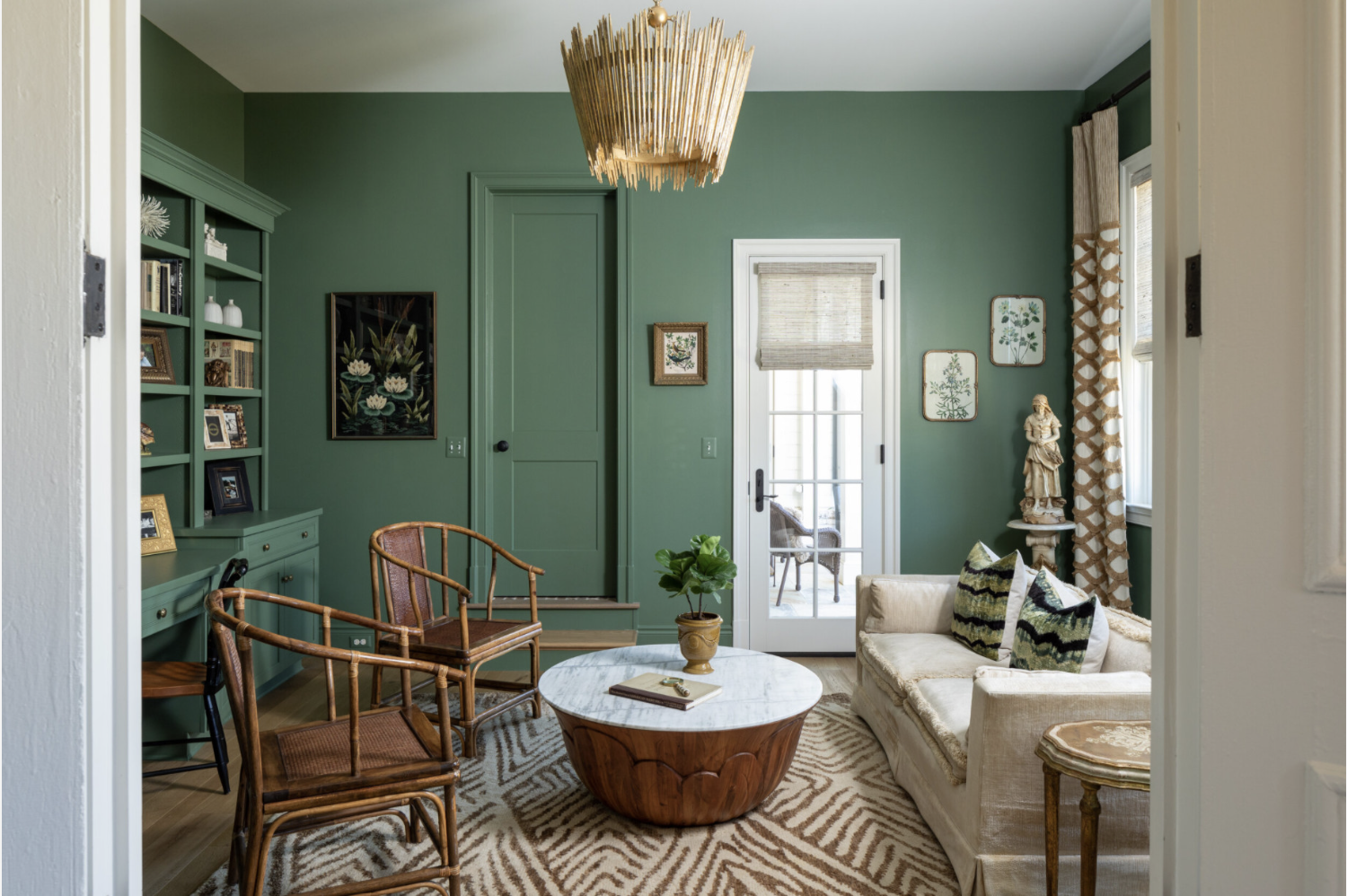
https://www.houzz.com/photos/woodgrove-road-french-country-family-room-dc-metro-phvw-vp~171677709
The all-gray interior isn’t just tired. Buyers have moved on. The biggest shift in Zillow listing descriptions over the last year has been a surge in “color drenching” — coating walls, ceilings, and trim in a single immersive hue — up 149% year over year.¹ The direction is consistent across paint brands and design reports: warm beiges, caramels, terra cotta, sage green, and soft navy. A mix of ’70s sunbaked tones and calming naturals.³
For Maui homes, this lands naturally. The palettes that are trending — warm sands, deep ocean navies, upcountry sage, sun-bleached terra cotta — already echo what we see out the window. Buyers walking through a Paia bungalow or a Kuau coastal home increasingly expect the interior to feel like an extension of the landscape, not a fight with it. A single well-chosen paint refresh — especially in a great room with strong ocean or mountain light — can dramatically change how a home photographs and how it feels at first walk-through.
The Art Deco Revival: Details That Stop the Scroll
Buyers are actively looking for character — and that’s showing up clearly in what design platforms are tracking. Houzz flagged the Art Deco revival as one of the defining trends of 2026, with searches for Art Deco interiors up 22% year over year.² Think chevron patterns, brass accents, jewel tones, curves, arches, and scalloped edges that soften spaces and add visual depth. Listing mentions of “artisan craftsmanship” are up 21% and “vintage accents” up 17%.¹
The good news for Maui sellers is that this doesn’t require a gut renovation. Plantation-style homes already have the bones — arched doorways, transoms, detailed millwork, deep eaves, beadboard. Lean into the character that’s already there rather than stripping it back to look like a mainland tract home. A curved kitchen island, rounded furniture silhouettes, brass hardware against warm wood — one or two moments of intentional detail can shift the whole feel of a listing.
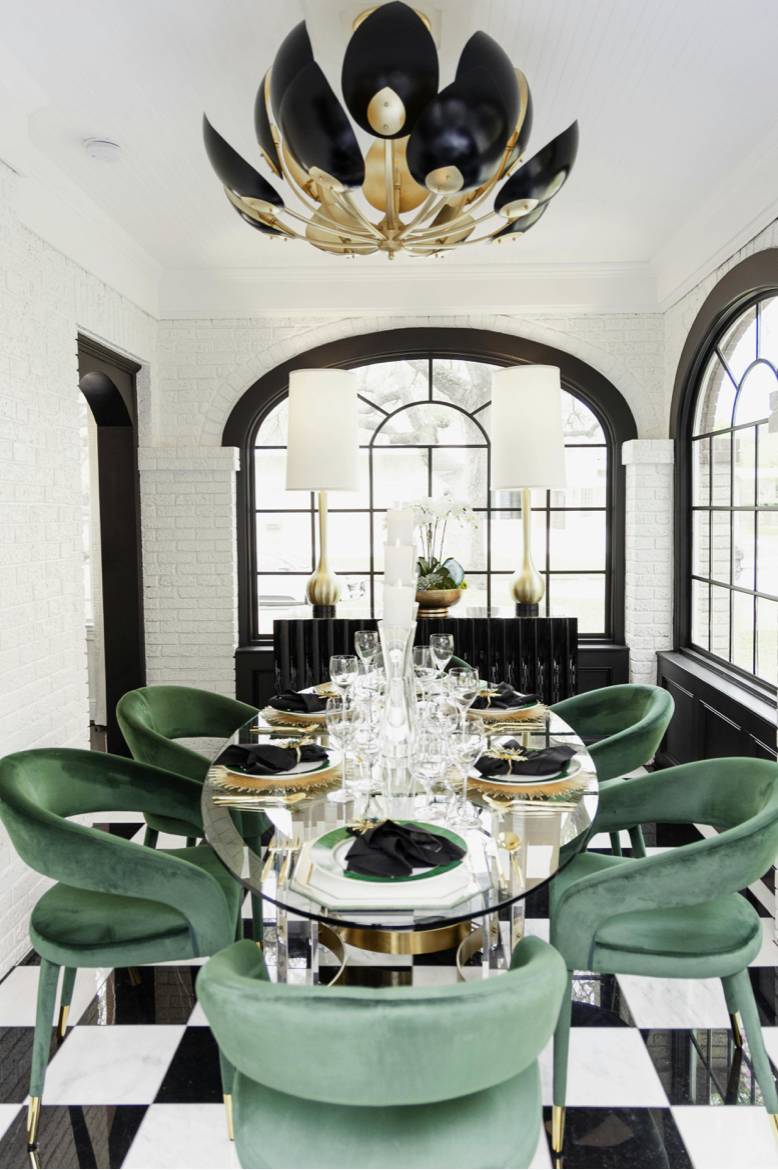 Photo Credit: Elizabeth Frost Designs
https://pro.houzz.com/pro-learn/blog/sneak-peek-houzz-reveals-11-of-the-top-home-design-predictions-for-2026
Surfaces and Materials That Make a Statement
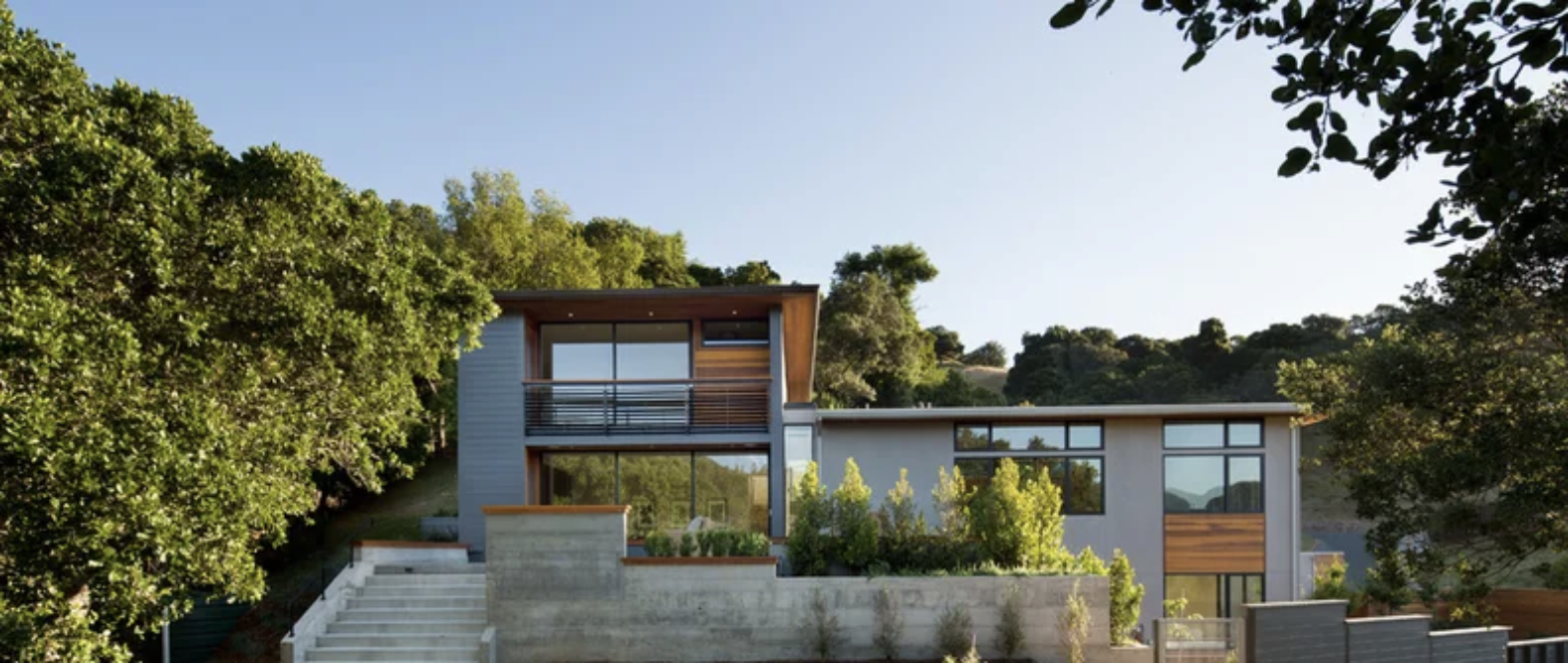 Photo Credit: Verner Architects; LMB Interiors (Designer); Eric Rorer (Photographer)
Countertops and backsplashes are no longer meant to blend in. Natural stone — quartzite, marble, and travertine with soft sweeping veining — is being used as a focal point rather than a background. Full-height backsplashes and dramatic stone applications create depth and warmth that photographs beautifully.² Organic texture is showing up everywhere alongside it: plaster and limewash walls, sculpted surfaces, three-dimensional materials that shift with changing light.
This trend has a Maui-native version. Lava stone, basalt, and locally sourced volcanic finishes do exactly what mainland designers are paying for: organic, dimensional, light-responsive surfaces that feel grounded in place. Pair them with layered metals — brushed brass against matte black and nickel — and you get a 2026 look that actually belongs to Hawaii instead of being imported from a Houzz mood board. The goal is intentional, not matched. Each finish feels chosen.
The Kitchen Is Getting Personal
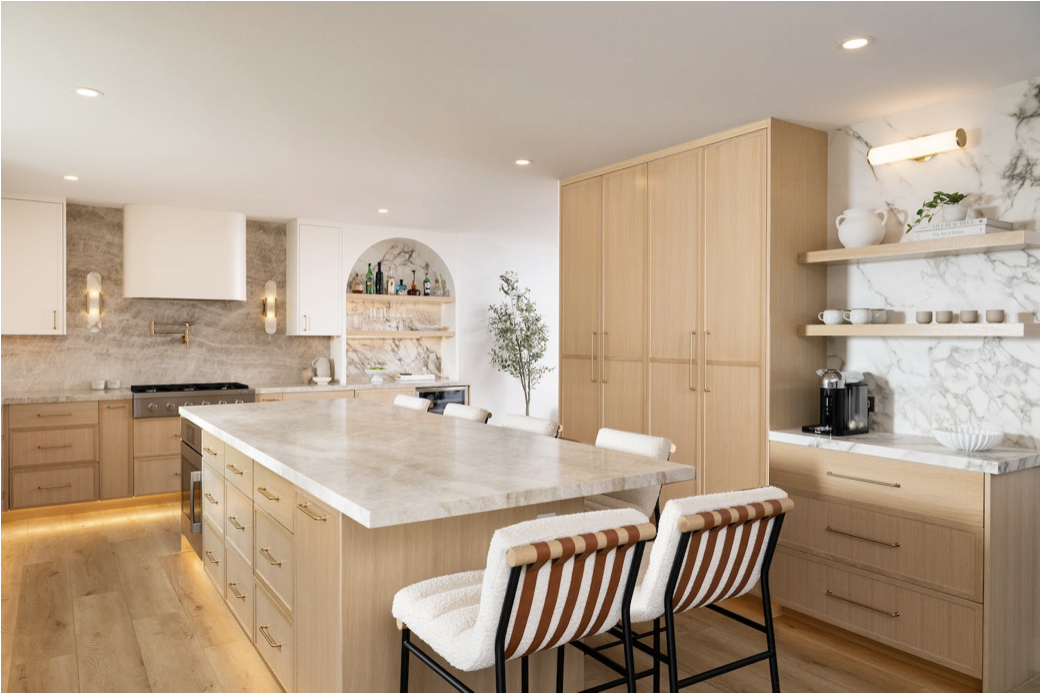 Credit: Leigh Ann Rowe; Builder: OC Builders Group; Designer: Studio Willow
https://pro.houzz.com/pro-learn/blog/2026-houzz-kitchen-trends-article
Design professionals are nearly unanimous that the all-white kitchen has run its course.⁷,¹⁰ What’s replacing it isn’t one look — it’s the absence of a default. Warm neutrals, earth tones, and wood-grain cabinetry are taking over from painted finishes, and the transitional style has settled in as the most popular direction, with the farmhouse kitchen continuing to lose ground it’s unlikely to recover.⁵
The bigger shift underneath all of it is personalization. Maui buyers want to see a kitchen that feels considered — not one that played it safe. That often means a working pantry, an unexpected cabinet color, a stone backsplash that runs floor to ceiling — and on Maui specifically, indoor-outdoor flow that mainland kitchens can’t replicate. A pass-through window to a lanai bar, a covered outdoor prep zone, slide-away pocket doors that erase the line between kitchen and lanai: these are the details that turn a Maui kitchen from “nice” into “this is why we moved here.” That sense of place is exactly what buyers are looking for.
Open Concept Grew Up
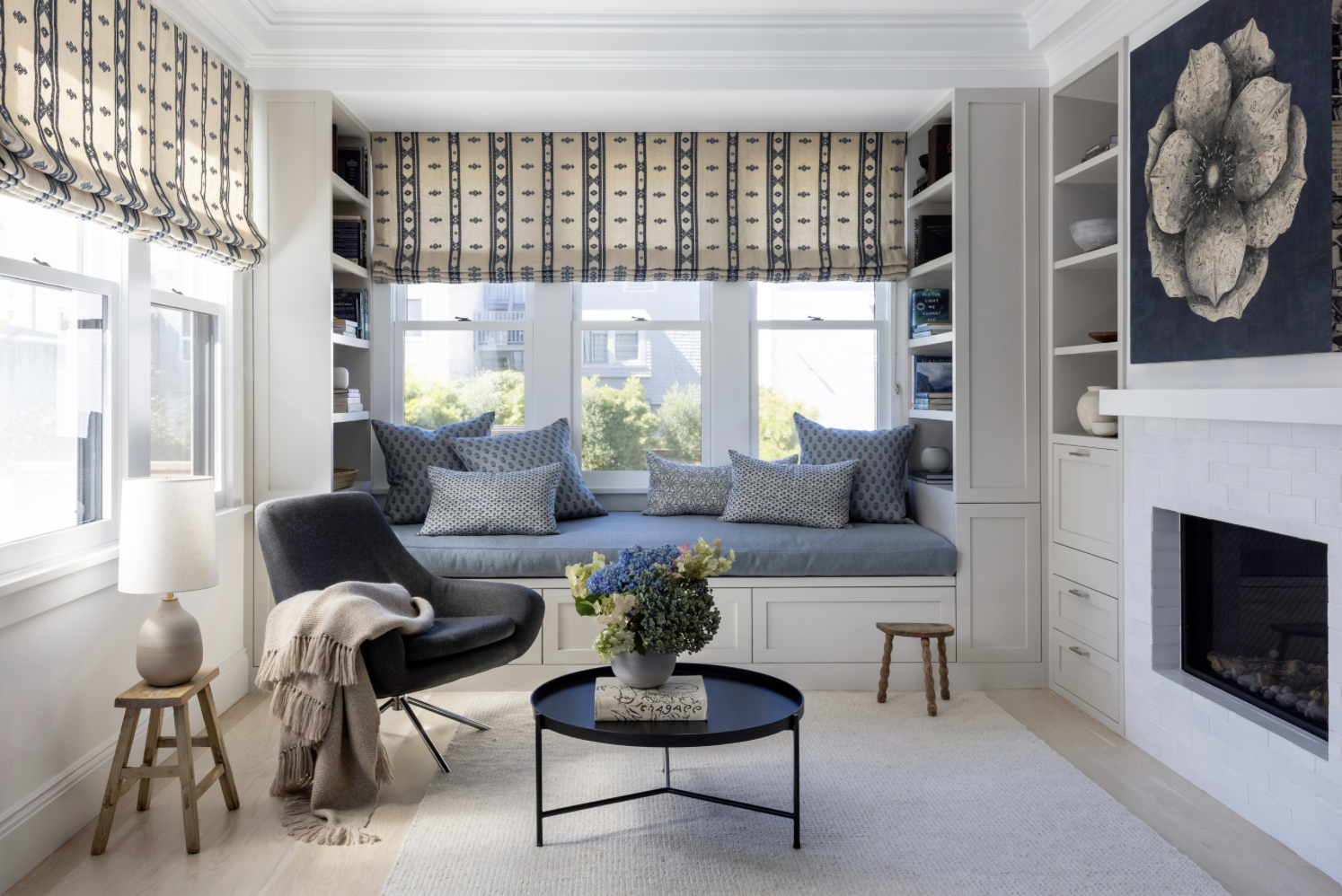 https://www.houzz.com/photos/9th-ave-transitional-family-room-san-francisco-phvw-vp~192967518
Open floor plans aren’t going away — but mainland buyer preferences have shifted toward layouts that offer both flow and definition: spaces that feel connected but serve a clear purpose.⁴ What’s rising is the semi-closed floor plan: subtle architectural separation between kitchen, dining, and living areas that maintains connection while creating intimacy. Flexibility now matters more to buyers than raw square footage.¹²
Maui has its own read on this. Because indoor-outdoor living is the whole point here, the great-room-plus-lanai layout is essentially the original semi-closed floor plan. Where the trend lands locally is in giving each interior zone a sense of purpose — a defined dining nook with a view, a reading corner that catches the trade winds, a den that converts to a guest suite when family visits. Remote work is part of why; mentions of “reading nooks” are up 48% in Zillow listing descriptions and dedicated home offices remain one of the most requested features of the year.¹ If your home has a defined dining room, a separate office, or distinct living zones, don’t apologize for them. Stage and describe each space as intentional. Buyers are reading for purpose.
Homes That Are Designed to Feel Good
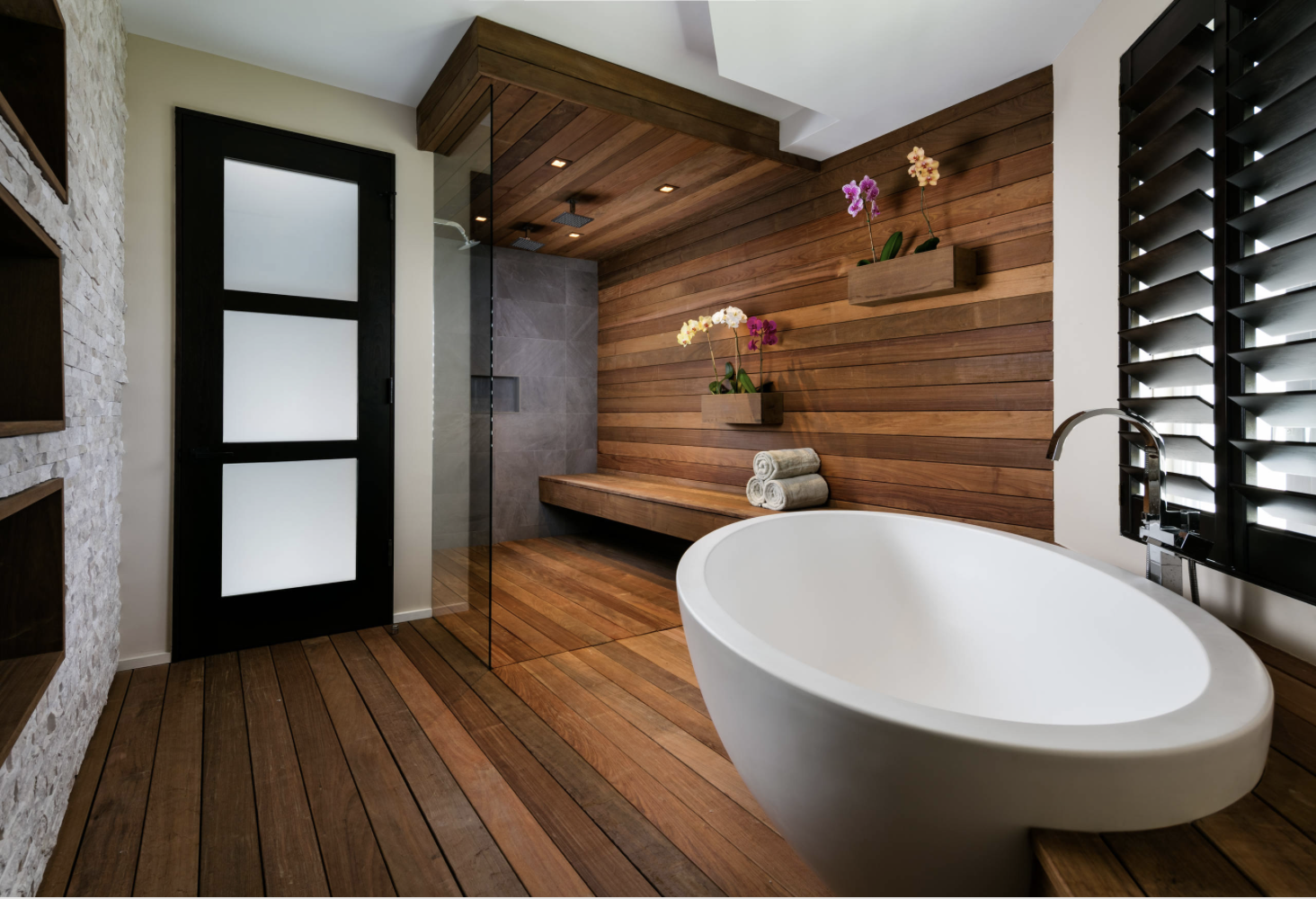
One of the quieter shifts in how buyers evaluate homes is the move toward what designers call wellness design — the idea that a home’s layout and materials should actively support how you feel in it, not just how it looks. It’s less about a single feature and more about an overall sensibility: does this space help you rest, focus, and decompress, or does it just look good in photos?
That sensibility is showing up in listing language in measurable ways — wellness mentions are up 33% year over year, and spa-inspired bathrooms have climbed 22%.¹,⁸ But the concept has expanded well past the primary bath. Biophilic design — natural light, organic materials, living plants, visual connections to the outdoors — has become a core consideration because it addresses the same underlying need: buyers want to feel better in their homes.⁹ Add circadian lighting that shifts with the time of day, plus dedicated quiet zones — a reading corner, a window seat, a shaded lanai nook that actually gets used.
Maui homes already deliver most of this. Cross-ventilation from the trade winds is wellness design before anyone trademarked the phrase. The right siting, generous overhangs, native landscaping, and an outdoor shower do more for “spa-inspired” than any imported feature can. The work for sellers is making sure these things are visible, photographed, and described in your listing rather than treated as background.
Resilient and Efficient Homes: The Practical Side of 2026 Design — Especially on Maui
Climate reality is showing up in listing data in a way that’s hard to ignore — and on Maui, this isn’t theoretical. Features like flood protection, fire-resistant landscaping, and whole-home battery systems are all climbing fast nationally, and 86% of buyers now say it’s very important that a home be “climate-proof.”¹ Zero-energy-ready homes have surged 70% in Zillow listing mentions, with whole-home batteries up 40% and EV charging up 25%.¹
Locally, the bar is higher. After Lahaina and the broader fire risk facing Upcountry and the West Side, fire-resistant landscaping is no longer a nice-to-have for Maui buyers — it’s something they specifically ask about. Defensible space, ember-resistant vents, hardened roofing, and managed fuel zones are showing up in buyer questions on second showings. Same goes for solar and battery storage: Maui already has one of the highest rooftop PV adoption rates in the country, and with Maui Electric rates where they are, buyers are evaluating PV-plus-battery the same way they evaluate a kitchen renovation — as a financial calculation, not just an environmental one.
If you’re thinking about selling and you have any of these features — solar, battery, EV charger, fire-hardened landscaping, hurricane-rated openings, recent re-roof — make sure they’re documented clearly in your listing. Buyers are actively reading for this language, and Maui homes that speak to it stand out fast.
What’s Out
Design trends don’t just tell you what to add — they tell you what to address before you list. A few things buyers have clearly moved past:
- All-gray everything. Functional for a decade, now forgettable. Buyer sentiment has shifted clearly away from both cool gray and stark white as default palettes. Sterile, clinical spaces read as dated now, not clean.²,³ This is especially true on Maui, where gray reads as fighting the light and the landscape.
- The overdone farmhouse look.The aesthetic isn’t dead, but the version heavy on purely decorative elements — shiplap for the sake of shiplap, barn doors on every opening — has peaked. What’s replacing it is a warmer, more grounded approach that on Maui leans into authentic plantation-era materials and craftsmanship over imported styling.
- Themed bonus rooms.“Man cave,” dedicated wine rooms, home theaters with no other use — buyers want rooms that flex, not rooms that commit to a single identity. On Maui, where multi-generational use and visiting family are common, single-use rooms read as wasted space.
- Two-story foyers. They create a striking visual, but the trade-offs have caught up with them. NAHB data shows 32% of buyers are likely to reject a home with a two-story foyer outright, while only 13% consider it a must-have.⁶ The energy inefficiency, heat imbalance, and lost usable square footage are no longer worth the entrance moment — and on Maui specifically, where cooling costs and trade-wind cross-ventilation matter, the trade is even worse.
- Matched-finish everything. Coordinating every fixture, cabinet pull, and faucet to a single metal finish now reads as a 2015 renovation. The shift is toward intentionally layered metals — brushed brass, matte black, and nickel — that feel collected over time rather than sourced from the same catalog page.
- Open shelving as a kitchen default.What looked fresh a few years ago now reads as high-maintenance and visually noisy to a lot of buyers. The enthusiasm has cooled, and the backlash is real enough that agents are recommending sellers address it before listing.¹¹ On Maui, salt air and humidity make this even less practical.
- Safe “greige” tile that disappears into the background. Surfaces are meant to make a statement now, not blend in. Full-height backsplashes, dramatic stone, and layered finishes have replaced the disappearing neutral as the standard expectation in well-presented kitchens and baths.
- Maximalism for resale. Rich, layered, highly personal spaces can be genuinely beautiful to live in — but they’re difficult to sell. Buyers need to be able to see themselves in a space. Heavy personalization, bold collections, and visually dense rooms make that harder, which tends to show up in longer days on market and more negotiated offers.
What Changes and What You Leave Alone
Not every item on this list requires a contractor — and on Maui, where labor and lead times run higher than the mainland, that matters. A focused $1,500–$3,500 refresh can meaningfully shift how a home is perceived: paint in a warm current tone, swapping out dated light fixtures, updating hardware from chrome to brushed brass or matte black, adding a limewash accent wall in a key space, refreshing lanai staging so the indoor-outdoor flow actually photographs. These are cosmetic moves — but they change how a home feels, and that feeling is what drives buyer interest from the very first look.
That first look is doing more work than most sellers realize. Warm, textured, layered spaces photograph better than stark white minimalist ones — and since most Maui buyers are scrolling listings from California, Washington, Texas, or Tokyo before they ever step on island, the visual presentation of your home directly affects how fast it moves and what kind of offers it generates.
Buyers are deciding in seconds. The goal is to design for the feeling they get at first scroll — not the trend you were following three years ago.
If you’re thinking about preparing your Maui home to sell and want to know which updates are actually worth making in your specific neighborhood and price range — Paia, Haiku, Kuau, Spreckelsville, Haliimaile, Wailea, Kihei, or anywhere else on island — let’s talk. That’s the conversation that moves a home from “nice listing” to “first-week offer.” Visit angiemauihomes.com or reach out directly.
Click here to see what’s listed on the North Shore now!
Sources
- Zillow – Spotted on Zillow: Six Home Trends To Follow in 2026
- Houzz – Sneak Peek: Houzz Reveals 11 of the Top Home Design Predictions for 2026
- Axios – 2026 home design trends: Zillow and others reveal picks
- RoylinSells – Are Open Floor Plans Still Popular in Today’s Housing Market?
- Houzz – 2025 U.S. Houzz Kitchen Trends Study
- NAHB – Two-Story Foyer Trend Stabilizes in 2024
- Fixr – Kitchen Design Trends Report 2026
- Fixr – Bathroom Design Trends Report 2026
- Tami Faulkner Design – Top Custom Home Design Trend 2026
- NKBA – 2026 Design Trends Report
- GoBankingRates – 6 Key Design Trends That Are Make-or-Break for Homebuyers in 2026
- BHGRE – 2026 Design Trends Moving Real Estate
