Upcountry Maui Real Estate: Makawao, Kula, Pukalani
The other Maui — sweater weather, horses, and long views
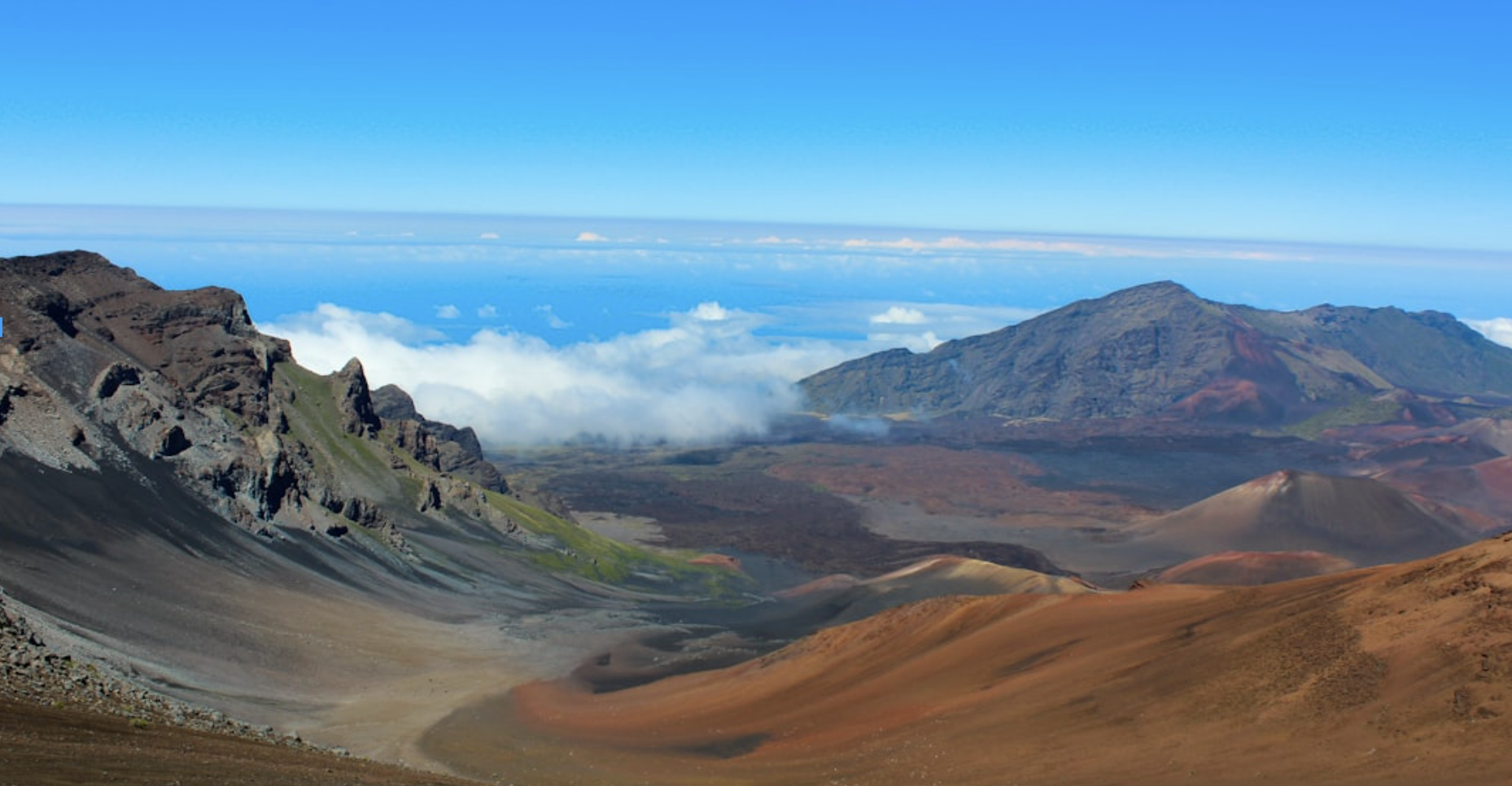
The first time most visitors drive up to Kula on a cool morning, with the jacaranda in bloom and the pastures rolling down the slopes of Haleakala, they’re genuinely surprised that this is still Maui. There’s no beach. There are cattle. The sunsets look like they were painted on a wall. And the air — crisp, eucalyptus-scented, and about 15 degrees cooler than Kihei — feels like a different island entirely.
That’s Upcountry. It’s where Maui locals go to escape the humidity, where people raise horses and grow lavender and roast coffee, and where the best long-term land investments on the island tend to quietly appreciate. If you’ve been priced into a condo on the coast but you actually want land, Upcountry is where you should be looking.
Browse all current Upcountry listings → Upcountry Maui Listings
Here’s the lay of the land.
Makawao: paniolo town with a creative streak
Makawao is the heart of Upcountry — a historic paniolo (Hawaiian cowboy) town with a single main intersection, a still-operating rodeo grounds, and one of the most interesting mixes of people on Maui. You’ll find fourth-generation ranching families next door to glassblowers, yoga instructors, and working artists. The town itself is walkable, with art galleries, coffee shops, the famous Komoda Store bakery, and a restaurant scene that punches well above its size.
Makawao real estate runs the gamut:
• Older plantation homes and cottages on modest lots in town
• Larger country properties on 1–5 acres with horse setups
• Custom homes in established subdivisions like Olinda (cool, forested, at higher elevation)
• Ag-zoned parcels where buyers are building their forever home
Who thrives in Makawao: Buyers who want acreage, privacy, and character — horse people, artists, people with dogs and kids who want yards, and folks who prefer a cooler climate and a strong sense of community. Bonus if you like to ride, garden, or host dinner parties on a lanai with a view.
Kula: farm country, long views, and elevation
Kula sits higher on the slopes of Haleakala — we’re talking 2,000 to 4,000+ feet of elevation, depending on where you are — and it’s where Maui’s agricultural identity lives. Protea farms, lavender at Ali’i Kula Lavender, Kula onions, grapes at MauiWine, and some of the most spectacular ocean-and-isthmus views on the island.
Neighborhoods to know:
• Lower Kula / Kulamalu — more accessible elevation, newer subdivisions, great for families
• Upper Kula / Waipoli / Polipoli — higher, cooler, bigger parcels, more privacy
• Kanaio / Ulupalakua — the far south end, truly rural, big ag land
Kula homes can range from modest ranch-style houses on acre lots to multi-million-dollar estates with panoramic views, fruit orchards, and detached ohanas (second dwellings). Agricultural zoning is the norm, which means bigger minimum lot sizes and different rules than the coastal markets — this is where working with a Realtor who actually knows the ag-land nuances matters.
Who thrives in Kula: Buyers who want space, a cooler climate (you’ll want a sweater in the evenings, sometimes a fireplace), and a slower pace. Excellent for remote workers, retirees, hobby farmers, and anyone who finds the coast too hot in summer.
Pukalani: the family commuter hub
Pukalani — the name means “heavenly gate” — is the most suburban-feeling of the Upcountry towns, with established residential subdivisions, the only grocery store and gas station cluster between Haiku and Kula, and easy access down to Kahului (about 20 minutes) for work, the airport, and Costco. It’s a practical choice for families who want Upcountry living but still need a daily commute to town.
The Pukalani Country Club neighborhood, centered on the golf course, is the flagship subdivision — a mix of single-family homes with golf course or ocean views. Beyond that you’ll find newer developments, townhomes, and ranch-style family homes on quarter- to half-acre lots.
Who thrives in Pukalani: Working families who want good schools, predictable infrastructure, and a manageable commute. Also a smart first-home market for young Maui professionals looking to get into the Upcountry lifestyle without jumping straight into ag land.
Haiku: rainforest meets north shore
Haiku straddles the line between Upcountry and the North Shore — technically on the windward (wetter) side of Haleakala, lush, tropical, and greener than anywhere else on this tour. It was pineapple country for decades, and you can still feel that plantation history in the neighborhoods.
What makes Haiku distinct:
• Bigger lots than the coast, smaller price tags than Paia
• Genuinely tropical — think jungle, waterfalls, fruit trees in the yard
• Close to the North Shore surf and windsurf beaches (Paia and Hookipa are 10–15 minutes away)
• Strong community of farmers, creatives, and people who prize privacy
Haiku real estate leans toward older plantation homes updated with care, newer custom builds on 1–3 acres, and ag-zoned properties where buyers are running small farms or building compounds. Because it’s off the tourist track, inventory can be thin — when the right property comes up, it goes fast.
Who thrives in Haiku: Buyers who want a tropical, rural lifestyle with easy access to the north shore, and who value privacy and green space over walkability.
Upcountry lifestyle at a glance
• Climate: Cooler, with real seasons by Hawaii standards — sweater weather in winter mornings, crisp evenings year-round
• Schools: Makawao Elementary, Kula Elementary, Kalama Intermediate, King Kekaulike High School, and Seabury Hall (one of the state’s top private schools)
• Farmers markets: Upcountry Farmers Market (Saturdays in Pukalani) is legendary — it’s where the chefs shop
• Weekend activities: Haleakala sunrise/sunset, Makawao Forest Reserve mountain biking, horseback at Piiholo Ranch, MauiWine tastings, protea and lavender farm tours
• Commute: Pukalani ~20 min to Kahului, Makawao ~25 min, Kula 30–40 min, Haiku ~20–25 min to Paia/Kahului
Upcountry market snapshot (general ranges — ask for current numbers)
• Pukalani / Kulamalu homes: roughly $1.1M–$2M for standard single-family
• Makawao homes on 1–5 acres: $1.5M–$4M, depending on condition, view, and setup
• Kula estates with big views or ag operations: $2M–$10M+
• Haiku country homes: $1.3M–$3.5M typical, with higher-end custom builds beyond
• Raw ag land: Highly variable — I can pull comps for the specific parcel size and location you’re considering
A word of caution specific to Upcountry: water meters, septic, and ag-dedication status can materially affect value and buildability. I always pull the water meter situation and CPR/ag status before we write an offer — this is one of those areas where local knowledge really matters.
Why work with me on your Upcountry search?
Upcountry is not a market where you can just scroll Zillow and understand what you’re looking at. Water meters, ag dedications, CPR vs. full subdivision, flag lots, easements, catchment vs. county water, lava zones, and the specific microclimates that change block by block — this is the stuff that determines whether a property actually works for you.
I have been on Maui for decades and I’ve walked a lot of Upcountry land. I’ll help you understand what you’re really buying and what it’s likely to be worth in five and ten years based on the real estate cycles.
Thinking about Upcountry? Let’s talk.
📩 Email me at angieow@icloud.com
📱 Text or call (808)419-1982
🌐 Or send me a message through the contact form
This article is general information, not legal, tax, or financial advice. For your specific situation, please consult a licensed attorney, CPA, or financial advisor — I’m happy to make introductions to Maui professionals I work with.
Angie Olmedo Williams is a licensed Realtor® with Coldwell Banker Island Properties, serving buyers and sellers across Maui with a focus on Kihei, Wailea, Makena, Upcountry, and the North Shore.
